
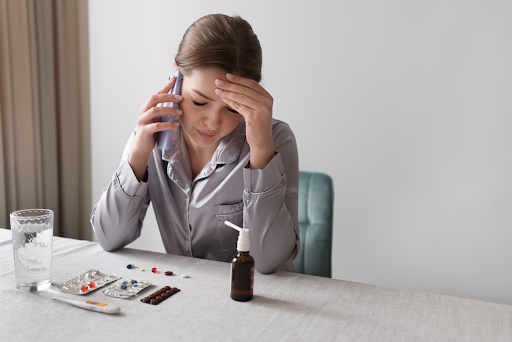
If your depression medication isn’t providing relief after 6 to 8 weeks at a full dose, it does not mean your depression is untreatable. It usually means your brain’s mood pathways need a different chemical key. Options like adjusting your dosage, adding a booster medication, or trying advanced in-clinic therapies- such as Ketamine (which acts like rapid “brain fertilizer”) or TMS (which uses gentle magnetic pulses to jump-start sleepy mood circuits)- can provide fast, lasting relief when standard daily pills fall short.
Key Takeaways
- Pills Take Time: Standard daily antidepressants take 4 to 8 weeks at a full dose before you can properly evaluate if they work.
- Treatment-Resistant Means a Different Key Is Needed: Failing two or more standard pills simply means serotonin isn’t your primary issue- not that you are out of options.
- Advanced Therapies Act Fast: Modern treatments like FDA-approved Esketamine/Ketamine can rebuild broken brain connections in 24 to 72 hours, while TMS physically stimulates dormant mood pathways.
- Never Stop Abruptly: Quitting antidepressants cold turkey can cause painful withdrawal symptoms. Always adjust doses with your doctor.
Depression can affect your life in ways you never imagined. It has the power to affect every part of your life. It can affect your sleep, relationships, work and your overall well-being. According to the National Institute of Mental Health (NIMH), approximately 30% of adults with depression experience treatment-resistant symptoms that require alternative or advanced therapy options.
Mostly people start depression treatment and take antidepressants hoping that it will improve their symptoms promptly. But that is not how mental-health medications work. It is frustrating when you are taking your medicines daily but do not see any improvement.
However, you should not give up. You might be in need of a different treatment plan and having a conversation with your psychiatrist can help you understand why the current treatment plan is not working and what steps can help you improve your condition.
Why Doesn’t Depression Medication Work Right Away?
Depression can affect every single corner of your life- your sleep, work, memory, relationships, and energy. It is completely natural to want immediate relief when you start taking a daily pill.
However, standard antidepressants- like Selective Serotonin Reuptake Inhibitors (SSRIs) such as Zoloft or Lexapro- do not work like a headache pill. Instead of masking a symptom in 30 minutes, they slowly nudge your brain chemistry over time.
Weeks 1 to 2: Your body gets used to the medication. You might notice small changes in sleep or physical energy before your emotional mood lifts.
Weeks 4 to 8: This is the full trial period. It takes this long for the medication to reach steady levels in your bloodstream and create lasting shifts in brain pathways.
Tracking Progress: Psychiatrists often use simple rating scales, such as the PHQ-9 (Patient Health Questionnaire), to measure whether your symptoms have dropped significantly.
10 Questions to Ask Your Psychiatrist
Here are a few questions to ask your psychiatrist if your antidepressant medications are not providing the relief you need.
1. How Long Should Antidepressant Medications Take To Work?
Standard first-line oral antidepressants- including Selective Serotonin Reuptake Inhibitors (SSRIs like Sertraline, Escitalopram, and Fluoxetine) and Serotonin-Norepinephrine Reuptake Inhibitors (SNRIs like Venlafaxine and Duloxetine)- do not provide immediate relief.
2 to 4 Weeks: Initial neurochemical receptor adaptation occurs. Patients may notice slight improvements in sleep, appetite, or physical energy before mood improves.
6 to 8 Weeks: The full therapeutic evaluation window. Achieving steady-state blood concentrations and downstream gene transcription requires this duration at an adequate dose.
Progress Tracking: Psychiatrists use validated measurement-based care tools, such as the PHQ-9 (Patient Health Questionnaire-9) or MADRS (Montgomery-Åsberg Depression Rating Scale), to objectively calculate percentage reduction in symptom severity.
Ask your psychiatrist:
- What is my baseline score on the PHQ-9 questionnaire, and what score shows that I am in full recovery?
- Have I been on this dose long enough to know if it is truly working for me?
- Which specific brain chemicals does this medication target?
2. Am I Taking The Right Dose?
It might happen sometimes that the medication is appropriate but the dosage is not. If the dose is too low it might not work on the symptoms. A psychiatrist considers factors like your treatment history, your age and overall health, and the severity of your symptoms.
Ask your doctor these questions.
- Am I taking the adequate dose?
- Will adjusting the dosage improve my symptoms?
- Are there any risks associated with a higher dose?
3. Are Side-Effects Affecting My Progress?
Side effects are a leading reason people stop taking medication or feel like their treatment isn’t working. Different psychiatric drugs interact with different nerve receptors in your body, leading to specific physical and mental reactions:
- Stomach & Sexual Symptoms: Nausea, digestive upset, reduced sex drive, or difficulty reaching orgasm (often caused by serotonin receptors in both the gut and brain).
- Body & Mouth Symptoms: Dry mouth, constipation, urinary hesitation, or feeling lightheaded when standing up quickly.
- Brain & Energy Symptoms: Feeling emotionally flat or numb, physical restlessness, trouble sleeping, or unexpected weight changes.
Gene Testing (Pharmacogenomics): If low doses cause severe side effects, ask your doctor about CYP450 genetic testing. This simple cheek swab checks your liver proteins to see if your body breaks down psychiatric drugs too quickly (making them ineffective) or too slowly (causing drug buildup and strong side effects).
Ask your psychiatrist:
- Could a genetic cheek-swab test help us see if my liver processes this medication too quickly or too slowly?
- Can we manage these side effects by adjusting the dose or adding a supporting medication (such as Bupropion for sexual side effects)?
- Will lowering my dose keep the mood benefits while reducing these uncomfortable side effects?
4. What Lifestyle Factors Could Be Affecting My Depression?
This is an area that you often overlook. Your lifestyle can influence the effectiveness of the treatment. Some of the factors that contribute are:
- Poor nutrition
- Poor sleep quality
- Lack of physical activity
- Substance use
- Alcohol use
- High stress
Small improvements in daily habits can complement medical treatment and support long-term mental health. Here are some of the questions that you should ask your psychiatrist.
- Can making a change in my lifestyle improve my recovery?
- Could my sleep habits be affecting treatment?
- How does exercise influence depression symptoms?
5. Could Chronic Pain Add to My Stubborn Depression?
Depression and physical pain share the exact same chemical wiring and brain regions responsible for processing mood and pain signals. Living with chronic back pain, nerve pain, or fibromyalgia keeps your nervous system in a constant state of high stress.
- The Inflammatory Block: Chronic physical pain triggers inflammatory signals (called cytokines) throughout your body. High inflammation alters how your brain uses mood chemicals, which can blunt the effectiveness of standard serotonin-only antidepressants.
- Dual-Action Relief: Dual-action medications- like SNRIs (Duloxetine / Cymbalta) or certain tricyclic antidepressants (Amitriptyline)- boost both serotonin and norepinephrine. This allows them to treat physical pain signals and depressive symptoms at the same time.
Ask your psychiatrist:
- Could inflammation from my physical pain condition be blocking my response to standard serotonin pills?
- Would switching to a dual-action medication (like an SNRI) better address both my physical pain and my mood?
6. Do I Have Treatment-Resistant Depression?
Treatment-Resistant Depression (TRD) simply means that standard antidepressant pills haven’t worked for you yet- specifically after you have tried at least two different medications at full doses for 6 to 8 weeks each.
Having “treatment-resistant” depression does not mean your condition is untreatable or that you will never feel better. It just means your brain needs a different approach than traditional, off-the-shelf antidepressants.
The “Is It TRD?” Checklist
Before a doctor diagnoses Treatment-Resistant Depression, they will check three main things:
- The Time Test: Did you take the medication continuously for at least 6 to 8 weeks? (Antidepressants need time to build up in your system.)
- The Dosage Test: Was the dose raised to the full therapeutic level recommended for depression?
- The Variety Test: Did you try at least two different types of medication (for example, switching from an SSRI like Lexapro to an SNRI like Effexor), rather than just two versions of the exact same medication type?
If you answered “yes” to all three and your symptoms haven’t improved by at least 50%, your depression meets the clinical definition of treatment-resistant.
Why Doesn’t Standard Medication Work for Everyone?
Think of your brain like a complex door with multiple locks:
- Standard Antidepressants (The Serotonin Key): Most common antidepressants focus almost entirely on one brain chemical called serotonin. For many people, adjusting serotonin unlocks the door and lifts depression.
- Different Brain Chemistry: For about 30% of people, depression isn’t caused by a serotonin shortage. It might be driven by different brain chemicals (like glutamate), nerve inflammation, severe stress, or chronic physical pain.
- The Wrong Key: If your depression lock needs a glutamate key, taking a serotonin pill over and over won’t open the door- no matter how high the dose is.
Questions to Ask Your Psychiatrist
If you suspect you have treatment-resistant depression, take these questions to your next appointment:
- “Could something else be causing this?” Ask them to rule out “copycat” issues like a thyroid imbalance, vitamin D deficiency, or sleep apnea, which can make depression medication ineffective.
- “Should we try a booster medication?” Psychiatrists often add a second medication (like a low-dose mood stabilizer or a medication that boosts dopamine) to help your main antidepressant work better.
- “Are my genetics playing a role?” Ask about a simple cheek-swab test (pharmacogenomics) to see if your liver breaks down certain medications too quickly or too slowly.
- “Am I a candidate for advanced therapies?” Ask about newer, non-traditional treatments like Ketamine therapy or TMS (Transcranial Magnetic Stimulation), which bypass the serotonin system entirely to rebuild brain connections directly.
7. Is Ketamine A Good Option For Treating Depression?
In the last few years, ketamine for depression has become a popular choice as an alternative treatment for people with depression. Ketamine can be considered for people who:
- Have treatment-resistant depression
- Have tried multiple medicines without any success
- Needs faster relief from their symptoms
You might be skeptical about the effectiveness of ketamine when conventional treatments have not helped you enough. So, you should ask a few questions before agreeing to this method.
- Am I a candidate for ketamine treatment?
- How does ketamine compare to traditional antidepressants?
- What are the benefits and risks I should know about?
8. How Does Ketamine Work For Depression?
Conventional oral antidepressants rely on the monoamine hypothesis, attempting to slowly increase extracellular serotonin, norepinephrine, or dopamine concentrations. This indirect mechanism takes weeks to alter gene expression and downstream neural circuits.
Ketamine bypasses the monoamine system entirely, acting directly as an N-methyl-D-aspartate (NMDA) receptor antagonist.
Let’s put this in layman’s terms.
Think of a depressed brain as a highway network where chronic stress has caused overpasses to crumble and traffic to stall. Traditional antidepressants work like slow road crews, gradually adding more cars (serotonin) over two months to force traffic through. Ketamine acts like an instant repair crew- rebuilding the damaged bridges directly within a day or two.
1.Gentle Dose Enters the Brain
A tiny, medically supervised amount of ketamine enters the body. It rapidly travels through the bloodstream and reaches the brain within minutes.
2.Releasing the Brain’s ‘Brakes’
In a depressed brain, certain “stop switches” keep mental pathways locked down. Ketamine temporarily flips off these brakes, allowing brain cells to wake up and communicate again.
3.Releasing a Signal Surge
With the brakes off, the brain releases a healthy wave of glutamate- its primary energy messenger. This creates a sudden boost in activity across areas that handle mood and emotion.
4.Activating ‘Brain Fertilizer’
This signal surge turns on a special growth protein called BDNF. Think of BDNF as natural “Miracle-Gro” for your brain cells.
5.Sprouting New Brain Connections
Within 24 to 72 hours, brain cells use this fertilizer to sprout new branches and repair worn-down pathways. This physical rebuilding helps restore mental flexibility and lifts mood far faster than daily pills.
9. What Should I Know About Ketamine Dosing For Depression?
Medical Ketamine protocols for mood disorders utilize precise, low-dose sub-anesthetic concentrations delivered in a controlled clinical environment:
Intravenous (IV) Ketamine Infusion: Typically dosed at 0.5 mg/kg of body weight infused intravenously over a 40-minute window.
Intranasal Esketamine (Spravato): FDA-approved S-enantiomer of Ketamine administered as a nasal spray at 56 mg or 84 mg doses under direct clinical supervision.
Induction Protocol: The standard acute course consists of 6 sessions over 2 to 3 weeks (e.g., 2 sessions per week), followed by an individualized maintenance/tapering schedule (e.g., bi-weekly or monthly maintenance sessions).
Clinical Monitoring: Blood pressure, pulse oximetry, and dissociation levels are continuously monitored by trained medical staff during the 90-to-120 minute post-administration observation period.
Ask your psychiatrist:
- Will I be receiving IV racemic Ketamine or FDA-approved Esketamine (Spravato) nasal spray?
- What is the recommended induction schedule (number of sessions over 3 weeks) for my diagnosis?
- What objective rating scales (e.g., PHQ-9) will we use to re-evaluate symptom response after Session 3 and Session 6?
10. How Will We Measure Progress?
You might be just focusing on feeling better, but recovery happens gradually. You and your psychiatrist should track:
- Mood improvements
- Energy levels
- Sleep quality
- Concentration
- Daily functioning
- Social engagement
Monitoring progress objectively can help guide future treatment decisions. Ask your psychiatrist to have a clear idea about your progress.
- How will we evaluate whether treatment is working?
- What signs indicate meaningful progress?
- How often should treatment be reassessed?
| Category | Do This ✅ | Avoid This ❌ |
|---|---|---|
| Medication Changes | Work closely with your psychiatrist to adjust or switch medications safely. | Never stop taking antidepressants cold turkey- it can cause withdrawal. |
| Tracking Mood | Keep a simple daily journal or track sleep, energy, and mood using an app. | Don’t judge a medication’s success during the first 7 to 14 days. |
| Exploring Options | Ask about genetic cheek-swab testing or booster medications. | Don’t assume that failing two pills means you are out of medical choices. |
| Lifestyle Support | Stay physically active, prioritize sleep, and talk openly with loved ones. | Avoid using alcohol or non-prescribed substances to self-medicate. |
Table: Do’s and Don’ts for Managing Stubborn Depression
How Do Treatments Like TMS or Ketamine Differ From Daily Antidepressant Pills?
While daily antidepressant pills flood your entire system with chemicals to gradually nudge your mood over several weeks, advanced treatments like Ketamine and TMS target the brain’s mood circuits directly in structured clinical sessions- either by rapidly fertilizing damaged brain connections or jump-starting underactive neural pathways with magnetic pulses.
1. Daily Antidepressants
- How They Work: Pills like Lexapro, Zoloft, or Effexor increase chemical messengers- primarily serotonin– in the spaces between your brain cells.
- The Analogy: Imagine watering a dry houseplant one drop a day. It takes weeks for the roots to absorb enough moisture for the plant to slowly revive.
- How You Take It: A daily pill swallowed at home.
- The Speed & Side Effects: Takes 4 to 8 weeks to reach full effect. Because the medicine travels through your digestive system and bloodstream, it affects your entire body, which can cause body-wide side effects like nausea, weight gain, fatigue, or sexual dysfunction.
2. Ketamine
- How It Works: Ketamine bypasses serotonin entirely and targets a chemical messenger called glutamate. This triggers a rapid release of natural growth proteins that act like “Miracle-Gro” for your brain cells.
- The Analogy: Instead of waiting for a plant to grow slowly, Ketamine acts like an emergency construction crew that physically rebuilds broken bridges between brain cells within hours.
- How You Take It: Administered in a medical clinic as an IV infusion or a supervised nasal spray (Esketamine/Spravato). You do not take it daily at home.
- The Speed & Side Effects: Relief often begins within 24 to 72 hours. Side effects (like lightheadedness or a floating feeling) happen only during the 40-to-90-minute appointment and fade before you go home.
3. TMS (Transcranial Magnetic Stimulation)
- How It Works: TMS uses focused magnetic pulses- similar to those in an MRI machine- to directly stimulate the underactive mood center of your brain (the prefrontal cortex).
- The Analogy: Think of TMS like physical therapy or jump-starting a sleepy muscle. Depression causes certain mood circuits in the brain to go dormant; TMS repeatedly “taps” those circuits until they wake up and start firing automatically again.
- How You Take It: You sit comfortably in a treatment chair while a magnetic device rests gently against your head for 20 to 30 minutes. You remain awake and can drive yourself home immediately after.
- The Speed & Side Effects: Most people notice steady improvement within 2 to 4 weeks of daily weekday sessions. Because there are no drugs involved, it causes zero systemic side effects (no weight gain, stomach issues, or sedation)- just a mild tapping feeling on the scalp during treatment.
| Feature | Daily Antidepressants | Ketamine Therapy | TMS Therapy |
|---|---|---|---|
| Primary Method | Chemical (Serotonin adjustment) | Chemical (Glutamate / “Brain Fertilizer”) | Physical (Focused Magnetic Pulses) |
| How It’s Administered | Daily pill at home | In-clinic IV or nasal spray | In-clinic head coil tapping |
| Time to Feel Relief | 4 to 8 weeks | 24 to 72 hours | 2 to 4 weeks |
| Body Side Effects | Common (stomach, weight, sleep) | Temporary during session only | None (no chemical drugs used) |
| Best For | Mild-to-moderate first-time depression | Severe or Treatment-Resistant Depression | Treatment-Resistant Depression |
Table: Daily Antidepressants vs. Ketamine Therapy vs. TMS Therapy
Prepare A Personalized Mental Health Action Plan?
Your session with the psychiatrist gives you a clear, written plan. Here is a checklist that you should tick off before you leave the clinic.
- Lifestyle integration: Ask how you can include lifestyle modifications, pain management plan, medicines along with therapy in your new treatment strategy.
- The next timeline: Set a specific date for your follow-up treatment to check on your progress.
- The emergency plan: Ask your psychiatrist who to contact in case of an emergency or if you experience a severe side effect.
- The new prescription: Get the name of the new medication, dose and when you should consume it.
Wrapping Up
Finding the right depression treatment is often a process of elimination, not a personal failure. Standard antidepressant pills focus almost exclusively on a single brain chemical called serotonin, and they can take up to two months to show full results. If you have tried two or more standard medications at full doses without feeling better, your doctor may classify your condition as Treatment-Resistant Depression.
Having “treatment-resistant” depression simply means your brain chemistry requires a different approach than off-the-shelf pills. By having a clear, open conversation with your psychiatrist about your timeline, side effects, and daily habits, you can explore newer, specialized options. Advanced treatments like Ketamine therapy or Transcranial Magnetic Stimulation (TMS) bypass the serotonin system entirely, offering new pathways to recovery even when traditional medications haven’t worked.
Find New Options
Unsure how to start the conversation with your doctor? Bring a list of personalized questions to your next appointment, or reach out to our team today to schedule a confidential assessment for advanced, non-daily depression therapies.
If you or a loved one are feeling overwhelmed, hopeless, or having thoughts of self-harm, please call or text 988 to reach the Suicide & Crisis Lifeline (US & Canada). It is free, confidential, and available 24/7. This article is for educational purposes and does not replace professional medical advice.
Frequently Asked Questions (FAQs)
1. Why did my depression medication work well at first but suddenly stopped?
This is a common issue with antidepressants. Over time your brain chemistry adapts to your medication, making the receptors less sensitive to the drug. Also, new medical conditions, stress and age can change how your body reacts to the medication.
2. Is it normal to feel worse or more anxious when starting a new antidepressant?
Yes, it is normal but temporary. In the beginning your brain experiences a sudden shift in neurotransmitters. This often triggers mild nausea, restlessness, and heightened anxiety in the first 2 weeks.
3. If my medication isn’t working, can I just stop taking it or skip doses?
No, you should never stop taking your medication or change the dose on your own. Abruptly quitting the medicine can cause “antidepressant discontinuation syndrome.” You can experience severe withdrawal symptoms like intense irritability, dizziness, a huge spike in depression and electric-shock sensation in the head.
4. Can chronic physical pain or inflammation block my antidepressant from working?
Yes, chronic pain or inflammation and unmanaged physical pain keeps the nervous system under constant stress. This stress can blunt the effectiveness of psychological medication. You need to administer both depression and pain medication simultaneously for actual recovery.
5. How quickly does ketamine work compared to traditional antidepressants?
Traditional oral antidepressants slowly alter your brain chemistry. Ketamine works immediately by stimulating the release of glutamate and starts repairing the damaged neural connections. You might experience a change in your mood within hours to a few days of your first clinical session.