
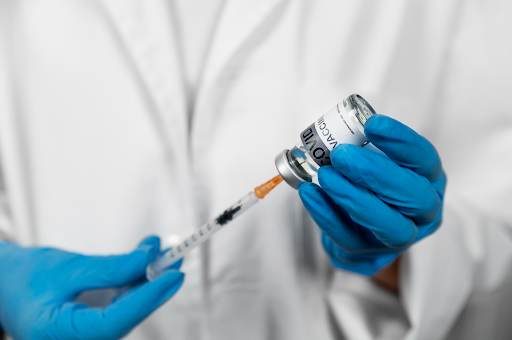
Ketamine injections and infusions are most often used for chronic pain that has not responded to standard treatment, especially pain with a nerve, or “neuropathic”, component.
Ketamine is not a first-line treatment. It is typically offered after NSAIDs, physiotherapy, and other injection therapies have failed to bring lasting relief.
Key Takeaways:
- Targeted Pain Relief: Docteur Douleur provides medically-supervised ketamine infusions and injections to treat severe, treatment-resistant chronic and neuropathic pain, such as CRPS and fibromyalgia.
- Neurological Reboot: By targeting NMDA and GABA receptors, the therapy relaxes the brain, calms hyperactive neurotransmitters, and effectively reboots a sensitized central nervous system.
- Expert Quebec Care: Administered safely by expert anesthesiologists at multiple clinics across Quebec, the treatment helps patients safely reclaim their quality of life.
Struggling with chronic pain that common treatments just cannot touch? When pills fail, tolerances rise, and the mental toll of fatigue and hopelessness sets in, you need a different approach. Ketamine therapy targets deep neural pathways to break the cycle of treatment-resistant pain, offering new hope when everything else falls short.
This blog will highlight the conditions that can be treated with ketamine injections and its effects.
What Chronic Pain Conditions Can Ketamine Injections Treat?
While its ability to disrupt severe, chronic pain has made it a breakthrough in modern pain management, this application is only part of a larger clinical picture.
To understand why it works so effectively for these conditions, it helps to look at what ketamine actually is and how its unique medical properties are utilized across healthcare.
Ketamine and Its Uses
Ketamine is a fast-acting medicine used in hospitals to cause sleepiness, treat hard-to-cure depression, and relieve severe pain. It works by changing brain chemicals to block pain signals and disconnecting patients from their surroundings without putting their breathing at risk.
Doctors use ketamine to majorly manage-
- Mental health treatments
- Anesthesia and surgery
- Pain relief
At Docteur Douleur, our skilled anesthesiologists leverage ketamine’s specialized ability to increase GABA concentrations and block sodium channels. This advanced mechanism relaxes the brain and calms hyperactive neurotransmitters for profound, targeted relief.
Which Conditions Can Be Treated With Ketamine Injections?
Not every kind of pain responds equally well to ketamine. The clinical evidence is strongest for pain conditions involving nerve dysfunction or a sensitized central nervous system.
Here is how the major categories break down-
#1 Complex Regional Pain Syndrome (CRPS)
Complex regional pain syndrome is a rare, long-term condition that usually affects one arm or leg. It causes severe burning pain, changes in skin color, and swelling. In the case of CRPS, ketamine is used in small doses.
Continuous or repeated ketamine infusions have shown some of the most consistent pain-relief results among chronic pain syndromes.
#2 Fibromyalgia
Low-dose IV ketamine infusions offer short-term pain relief for fibromyalgia by interrupting abnormal pain signals in the brain. This off-label, specialized therapy requires supervised administration in a specialized clinic, with ongoing maintenance sessions often needed to sustain long-term benefits.
Ketamine injections work as an NMDA receptor antagonist. Simply put, it blocks the brain receptors responsible for amplifying pain messages.
#3 Peripheral and Central Neuropathic Pain
This includes pain from nerve damage due to chemotherapy, diabetes, spinal cord injury, or trauma. Neuropathic pain responds to ketamine because the drug directly targets the receptors involved in nerve pain transmission.
#4 Chronic and Refractory Migraines
For migraines that have not responded to standard preventative therapy, ketamine infusions have been used in specialized headache and pain clinics with encouraging short-term results, particularly for reducing pain intensity during a treatment cycle.
#5 Phantom Limb Pain
Ketamine has been studied for pain that persists after amputation. Because this pain originates from altered central nervous system processing rather than the (missing) limb itself, it fits the profile of conditions ketamine is designed to address.
#6 Chronic Post-Surgical and Post-Traumatic Pain
Pain that lingers well beyond the expected healing time after surgery, fractures, or major trauma is another area where ketamine is used, especially in patients who are opioid-tolerant or want to reduce opioid dependence.
#7 Facial Pain (Trigeminal Neuralgia)
Retrospective studies suggest continuous ketamine infusion can meaningfully reduce pain for trigeminal neuralgia that has not responded to medical treatment, though results are more mixed for other types of facial pain such as atypical facial pain.
#8 Cancer-Related Pain
For pain related to cancer or its treatment that is not controlled by opioids alone, ketamine is sometimes added to a broader palliative pain plan.
Note: Ketamine is generally not used for routine osteoarthritis, uncomplicated mechanical back pain, or short-term acute injuries that respond to conservative care. If cortisone or PRP injections have not been tried yet, those are usually the more appropriate first step- our cortisone injection page and PRP injection page cover those options.
Ketamine Injections vs. Ketamine Infusions: What is the Difference?
Ketamine injections and ketamine infusions often mean the same underlying treatment, but the delivery method matters.
- Injection (IM or IV push): A single, faster dose. Often used for quicker in-clinic administration.
- Infusion: Ketamine is delivered slowly through an IV line over a set period, commonly 40 minutes to a few hours. This slower delivery tends to produce fewer psychoactive side effects and is the preferred method for chronic pain protocols in most guidelines.
At Docteur Douleur, our anesthesiologists determine the right method and dose, generally 0.5 to 2 mg per kilogram of body weight, based on your condition, pain severity, and health history.
How Ketamine Treatment Works at a Clinic Visit
A typical ketamine treatment plan includes-
- Medical evaluation: We review your full history, including cardiovascular, liver, psychiatric, and current medications, before recommending ketamine.
- Dosing decision: Your physician calculates a sub-anesthetic dose tailored to your weight and condition.
- Administration: Delivered through IV infusion or injection, under ultrasound guidance and continuous monitoring (blood pressure, heart rate, oxygen).
- Observation period: You will be monitored in the clinic afterward. Effects like light-headedness or dissociation are common and temporary.
- Recovery plan: You will need someone to drive your home. Most clinics, including ours, recommend avoiding driving for at least 24 hours.
- Follow-up: Depending on the condition, a single infusion is rarely enough, many protocols involve a short series over one to two weeks, followed by maintenance sessions as needed.
Is Ketamine Right for You?
Deciding to undergo ketamine therapy depends on your specific health history, your treatment goals, and your lifestyle.
You might be a good candidate if-
- Your pain has lasted more than 3 months
- NSAIDs, physiotherapy, or nerve-targeted injections have not resolved your symptoms.
- Your pain has a neuropathic or centralized component
- You want to reduce reliance on opioids
If you are not sure which category your pain falls into, that is exactly what a consultation is for. Our team reviews your full history before recommending any treatment path. Learn more about how we approach chronic pain more broadly.
However, there are some side effects of using ketamine depending heavily on the dose, setting, and frequency of use.
Some common ketamine treatment side effects are-
- Dissociation
- Nausea
- Vomiting
- Drowsiness
- Dizziness
- Headaches
- Double or blurred vision
- Temporary increases in heart rate and blood pressure
What Makes a Ketamine Clinic Trustworthy?
Choosing the right clinic is a big step. A trustworthy clinic will put your safety and mental well-being first.
Here are the most important signs to look for-
- Physician-led care, ideally anesthesiologists or pain specialists experienced with controlled infusions.
- Ultrasound guidance for precision, where applicable.
- Continuous monitoring during treatment of blood pressure, heart rate, and oxygen saturation.
- A real medical history intake, not a same-day walk-in with no screening.
- Transparent expectations (a legitimate clinic will describe ketamine as a management tool, not a cure).
At Docteur Douleur, our team has 20 years of combined experience across anesthesia, physiatry, orthopedics, and podiatry, with clinics across Montreal, Laval, Gatineau, Pierrefonds, Town of Mount Royal, Longueuil, and Saint-Jean-sur-Richelieu.
Final Thoughts
Docteur Douleur uses medically supervised ketamine infusions and injections to relieve treatment-resistant chronic pain, including neuropathic conditions like CRPS and fibromyalgia.
By targeting NMDA and GABA receptors, their expert anesthesiologists across Quebec safely help patients reboot their central nervous system and reclaim their quality of life.
Ready to Explore Whether Ketamine Is Right for You?
If NSAIDs, physiotherapy, or previous injections haven’t brought lasting relief, it may be time to discuss ketamine treatment with our team. Every plan starts with a full medical evaluation, no exceptions. Book a consultation with Docteur Douleur at one of our Quebec clinics, or learn more about our ketamine infusion services.
Frequently Asked Questions
1. I Am Terrified That My Severe Pain From A Past Traumatic Injury Is Permanent And Nothing Can Stop It. Can Ketamine Help?
Yes, Docteur Douleur provides Ketamine injections specifically to manage chronic severe pain resulting from trauma, fractures, and musculoskeletal issues. By blocking neural NMDA receptors, our skilled anesthesiologists can successfully stop you from feeling pain even when traditional alternatives like NSAIDs have failed.
2. I Feel Helpless Because My Shooting, Burning Nerve Pain Won’t Stop. Is It Too Complex For A Clinic To Handle Safely?
You do not have to face this alone. Our clinic explicitly treats neuropathic pain and severe injuries using customized treatment programs. Our dedicated medical team carefully evaluates your exact pain level and physical makeup to prescribe and administer the precise, safe dosage you need.
3. I Am Scared Of Going To An Unverified Clinic And Receiving A Dangerous, Unmonitored Dosage Of Ketamine. How Do I Know I Am Safe?
Your safety is guaranteed by our medical team, which is entirely composed of skilled anesthesiologists who prescribe, calculate, and administer the treatment. We conduct a thorough medical evaluation of your physical makeup and history before providing a highly monitored IV infusion or injection.
4. I Am Suffering From Severe Depression And Social Anxiety Alongside My Physical Pain, Making It Impossible To Enjoy Life. Can This Treatment Address Both?
Yes, our Ketamine injections are useful for several therapeutic issues, ranging from chronic pain to social anxiety disorders and depression. The treatment works by slowing down neurotransmitters and relaxing the brain to help restore your overall quality of life.
5. Will The Grogginess And Lightheadedness From The Injection Prevent Me From Getting Home Safely After My Clinic Appointment?
To manage this side effect safely, Docteur Douleur requires that a family member accompany you to your appointment to help you get home. Because the relaxed and lightheaded feeling can last up to a few hours, you must not drive for a minimum of 24 hours after your treatment.