Skin conditions such as vitiligo, eczema, and psoriasis are among the most common nonfatal diseases worldwide, affecting a person’s quality of life. Since patients frequently experience poor body image, low self-esteem and higher risks regarding depression and anxiety due to these issues, PRP has emerged as an effective treatment in aesthetic medicine and dermatology, as a natural approach to healing and skin rejuvenation. Here, we discuss 6 key skin issues that can be addressed through PRP therapy.
PRP or Platelet-Rich Plasma considers patients’ own blood components, like growth factors and blood components, which reduces the risks regarding allergic reactions. However, PRP has versatile applications, including multiple skin concerns, wrinkles and fine lines, improving complexion, and plumping sagging skin. Apart from these, this treatment is also effective for chronic wound healing and hair growth.
| Benefit | Description |
| Natural Healing | Uses the body’s own plasma for repair |
| Collagen Boost | Stimulates long-term skin firmness |
| Versatile | Effective for scars, pigmentation, and wrinkles |
| Safe | Minimal allergic reactions |
| Customizable | Can be combined with other treatments |
Table 1: Key Benefits of PRP Therapy
How does PRP Therapy Work?
PRP therapy is a key practice in skin rejuvenation at PRP clinics of Montréal.
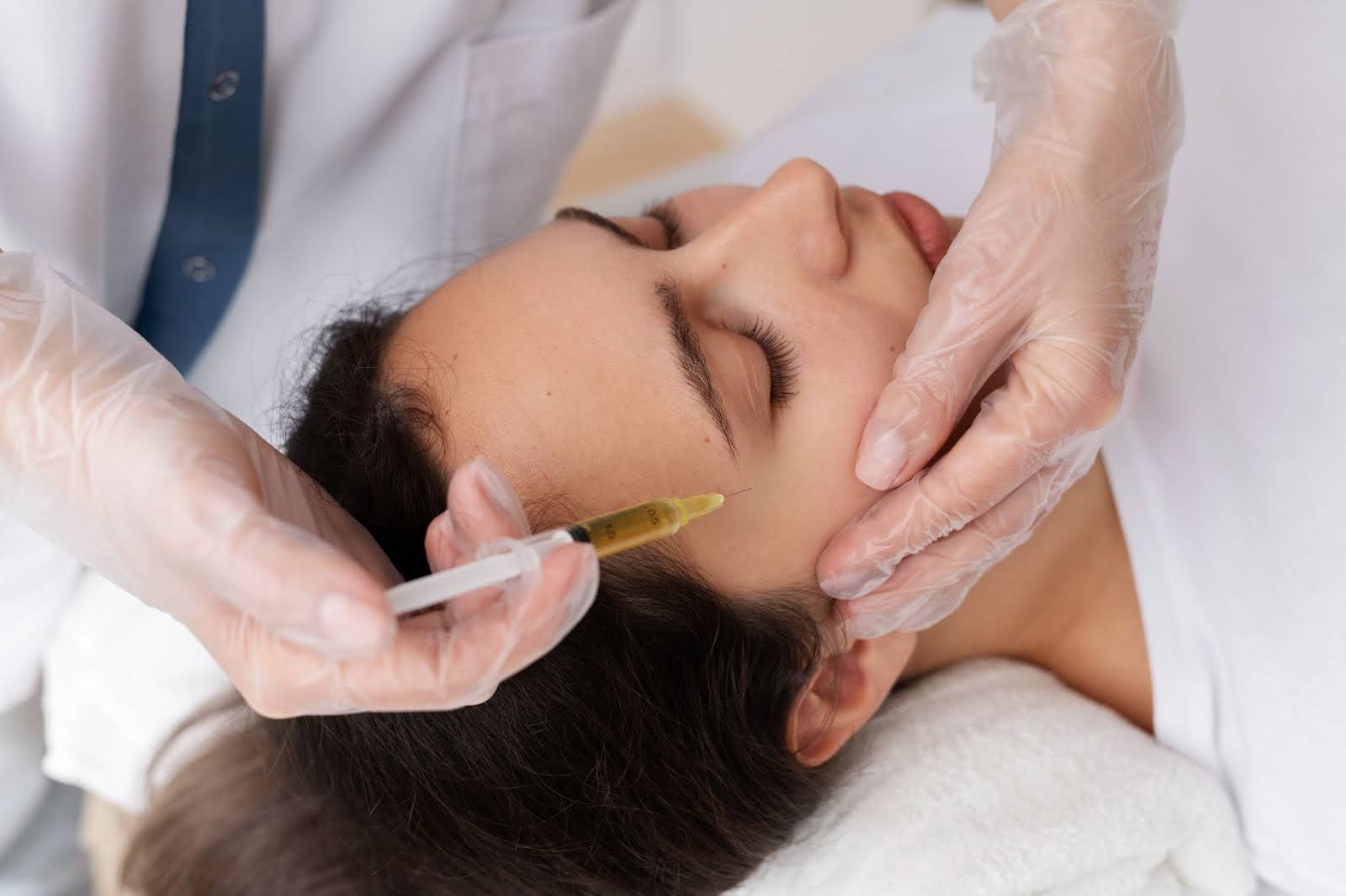
First, a small blood sample is collected, and placed in a centrifuge. In this process, the blood is spun at high speeds and its components are separated based on density. Into a small volume of plasma, the platelets are concentrated, creating a platelet-rich solution. The concentrated PRP is carefully injected into a specific injured area, like a joint or a tendon, by using ultrasound guidance to ensure accuracy.
The concentrated platelets contain growth factors, which are mainly proteins repairing tissues and healing your body. However, when it is injected, the stem cells are stimulated, leading to tissue regeneration and reproduction. The therapy reduces inflammation in the long term and effectively reduces chronic pain.
| Feature | PRP Therapy | Chemical Peels | Microneedling | Laser Resurfacing |
| Natural Approach | Uses the patient’s own blood | No | Yes | No |
| Downtime | Low | Moderate | Low | Moderate–High |
| Collagen Boost | Strong | Moderate | Strong | Strong |
| Best for | Skin repair, acne scars, texture | Pigmentation | Texture | Wrinkles, scars |
Table 2: Comparison of PRP Therapy with Other Skin Treatments
6 Major Skin Issues PRP Therapy Can Address Effectively
Since PRP uses the body’s own growth factors to empower healing and provide a better life, its popularity has increased significantly in Canada. Research shows that the Canadian PRP market experienced a revenue of $35.6 million in 2023, and by 2023, it is expected to hit $178.1 million, at a CAGR of 25.9%. It shows the evidence of the positive outcomes of the therapy and people’s awareness regarding skin health and care.
Let’s look into 6 prominent skin issues that can be treated by PRP therapy.
1.Fine Lines and Wrinkles
With age, the issues regarding wrinkles and fine lines become a key threat to skin, affecting one’s physical presence. Although this is natural, it affects one’s confidence, both in professional and personal spheres. The PRP treatment for wrinkles emerged as a key factor in Canada, and a positive stakeholder engagement can be observed due to the proven results and treatment processes.
However, the improved elasticity and texture, driven by the production of elastin and collagen, have been valuable in skincare treatment, while tissue rebuilding and enhanced smoothness empower the overall lifestyle and health. The plumped-up skin improves elasticity and eliminates the signs of aging. The PRP treatment for wrinkles is mostly effective around the eyes and mouth.
2.Acne Scars
Research shows that 80% of acne sufferers are aged between 12-14, and in 99% cases, acne affects the face. However, the PRP therapy activates fibroblasts, creating new elastin and collagen to repair damaged tissue, accelerating the skin texture and quality. The PRP facial treatment has been more acceptable, as by combined with laser therapy or microneedling, it has been more useful to tackle issues regarding acne scars. The tissue remodeling, driven by PRP therapy for acne scars, enhances skin rejuvenation and healing response.
However, by new cell formation and promoting tissue repair, PRP softens scar tissues and minimizes acne scars effectively, to provide a better skin texture.
3.Sun Damage and Hyperpigmentation
The PRP facial treatment is well-recognized for hyperpigmentation and sun damage treatment. In this regard, the production of elastin and collagen helps reform skin structure and tissue, which further improves firmness and reduces the uneven structure. Apart from the PRP for acne scars, the skin cell repair improves the complexion and protects skin from hyperpigmentation.
However, the regeneration of healthy skin reduces pigmentation and develops a more even skin tone. It improves the overall skin quality with a radiant complexion. The regenerative effects of PRP also help repair skin cells damaged due to UV exposure and promote long-lasting and better skin tone.
4. Skin Sagging
The concentrated PRP is injected into targeted skin areas, or sometimes applied topically with the microneedling process to enhance the penetration level. However, potent growth factors like PDGF, TGF-β, VEGF, and EGF empower cellular stimulation to improve skin texture and quality. The skin rejuvenation PRP clinics in Montréal treat sagging issues (especially on the jawline and cheeks) through this, as it enhances the density of elastin and collagen to restore the underlying structure to improve its tone and elasticity, leading to a more youthful appearance.
5.Chronic Wounds and Ulcers
The medical applications of PRP therapy for ulcers and chronic wounds are a popular choice in the dermatology clinics in Montreal. PRP accelerates the healing mechanism of various types of chronic wounds, including venous ulcers, diabetic foot ulcers and pressure ulcers. It reduces inflammation and develops new tissues. It effectively addresses the wounds by developing an even skin texture, which boosts confidence among people on a significant scale.
However, since PRP therapy promotes the development of new blood vessels, it is important to supply oxygen and nutrients to the wounds. It can also help modulate the inflammatory response, while the antimicrobial nature has been beneficial in tackling bacterial damage.
6.Dark Circles Under Eyes
The therapeutic value of PRP, opted for by several skin rejuvenation PRP clinics in Montréal, includes rebuilding the skin’s value, which makes it less saggy and look fuller. However, it also reduces dark circles under the eyes by improving color homogeneity. The therapy enhances blood flow significantly, bringing adequate oxygen and nutrients, helping pigmentation, and reducing puffiness. It strengthens the skin and improves its structure to make the appearance more youthful and appealing.
| Skin Problem | PRP Action | Visible Improvement Timeline | Recommended Sessions |
| Acne Scars | Collagen remodeling | 4–6 weeks | 3–4 |
| Hyperpigmentation | Cell renewal | 3–5 weeks | 3 |
| Fine Lines | Elastic fiber repair | 4–8 weeks | 3–6 |
| Sun Damage | Tissue regeneration | 5–7 weeks | 3 |
| Dark Circles | Blood flow & rejuvenation | 3–6 weeks | 2–4 |
| Stretch Marks | Fibroblast activation | 6–10 weeks | 4–6 |
Table 3: PRP Effectiveness by Skin Concern
Summary
Since skin issues like acne, wrinkles, sagging, and others have been a key threat in the recent era, the role of PRP therapy has been remarkably important for treatment purposes. The therapy takes the blood sample from patients and uses the growth factors to improve the skin texture and quality. It reduces wrinkles, especially on the face, to ensure a more youthful presence. On the other hand, its utility against sun damage and hyperpigmentation also protects the skin from damage. It also protects neck and face skin from sagging, and removes dark circles and addresses chronic wounds to provide a better quality of life to people. The consistency of the PRP therapy and desired outcomes have enhanced its market demand in Canada, and it is expected that the demand for this therapy will reach its peak in the upcoming few years.
Suffering from skin problems for a long time? Visit our website now to find useful information regarding PRP therapy and pursue it as per the issues.
Frequently Asked Questions
Can Prp Therapy Minimize Scars From Acne That Are Resistant to Chemical or Laser Treatments?
In cases where other therapies have minimal impact, PRP can indeed promote collagen remodeling in deep or resistant acne scars, enhancing texture and suppleness.
How Can Sun-damaged or Dull Skin Be Treated With PRP?
By increasing cell turnover and healing UV-induced damage, PRP revitalizes photoaged skin, gradually restoring a natural glow and smoother tone.
Can Rosacea-related Redness or Sensitivity Be Effectively Treated With PRP?
PRP can reinforce the skin barrier, reduce inflammation, and lessen rosacea-related redness and sensitivity, but it is not a cure.
Can the Under-eye Pigmentation Be Improved With PRP Therapy?
Indeed, PRP targets thinner skin and dark circles beneath the eyes by improving microcirculation and tissue regeneration without the need for fillers or surgery.